
For modern companies, managing both IT assets and general business assets efficiently is becoming more important than ever. Here's a quick summary of the key differences between ITAM (Information Technology Asset Management) and EAM (Enterprise Asset Management):
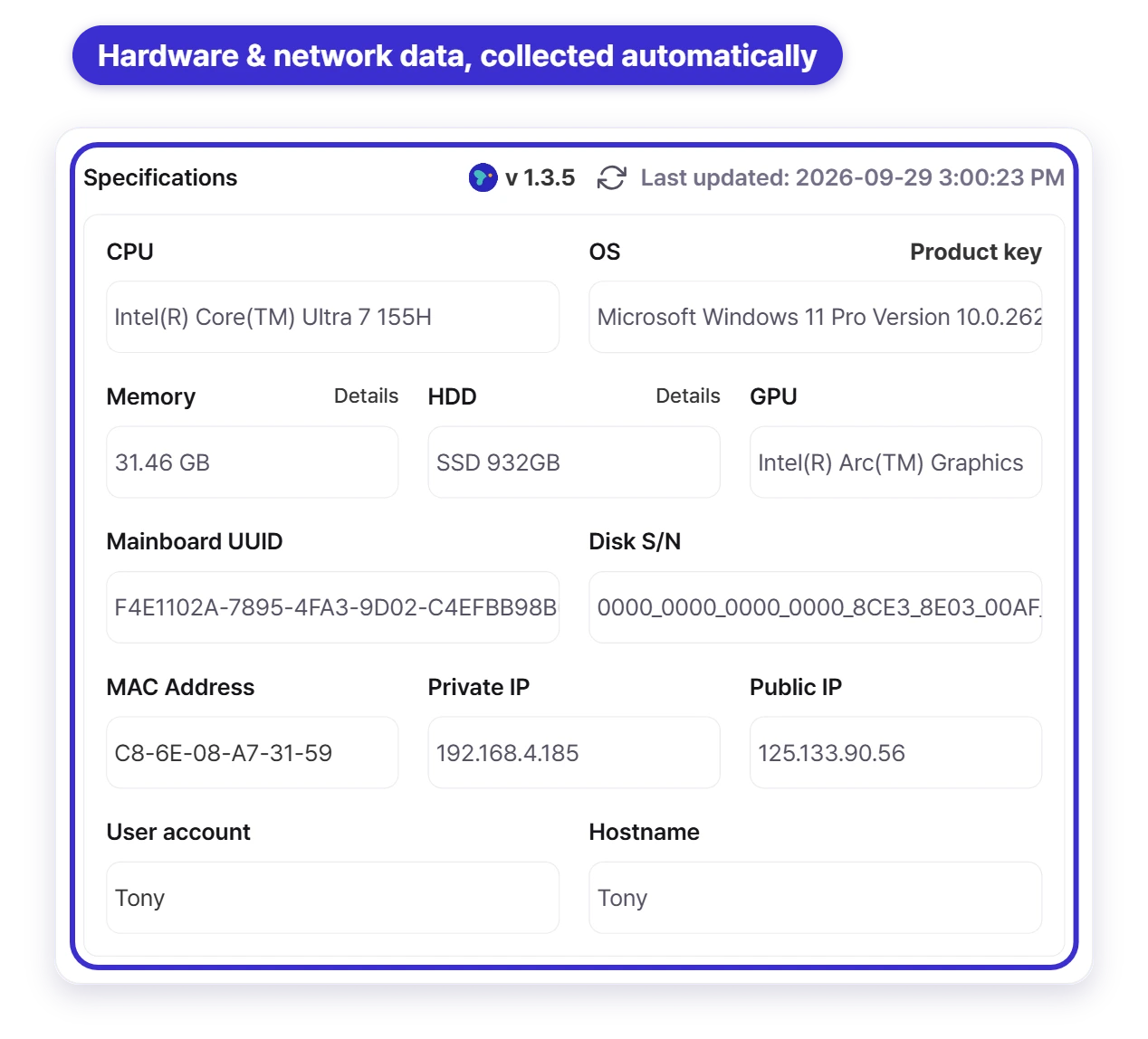
ITAM mainly covers purchasing and maintaining IT assets and managing software licenses. IT staff want tools that can answer questions like "How many licenses do we have left for this software?" and "When is this server's next maintenance cycle?" Accounting staff, on the other hand, need asset management from a financial perspective—calculating depreciation and complying with accounting standards. SELLEASE's PC agent automatically collects spec data for IT assets—CPU, memory, HDD, graphics card, and OS—and even analyzes software usage (time, frequency, and cycles), meeting the needs of both IT and accounting teams. 💡📈
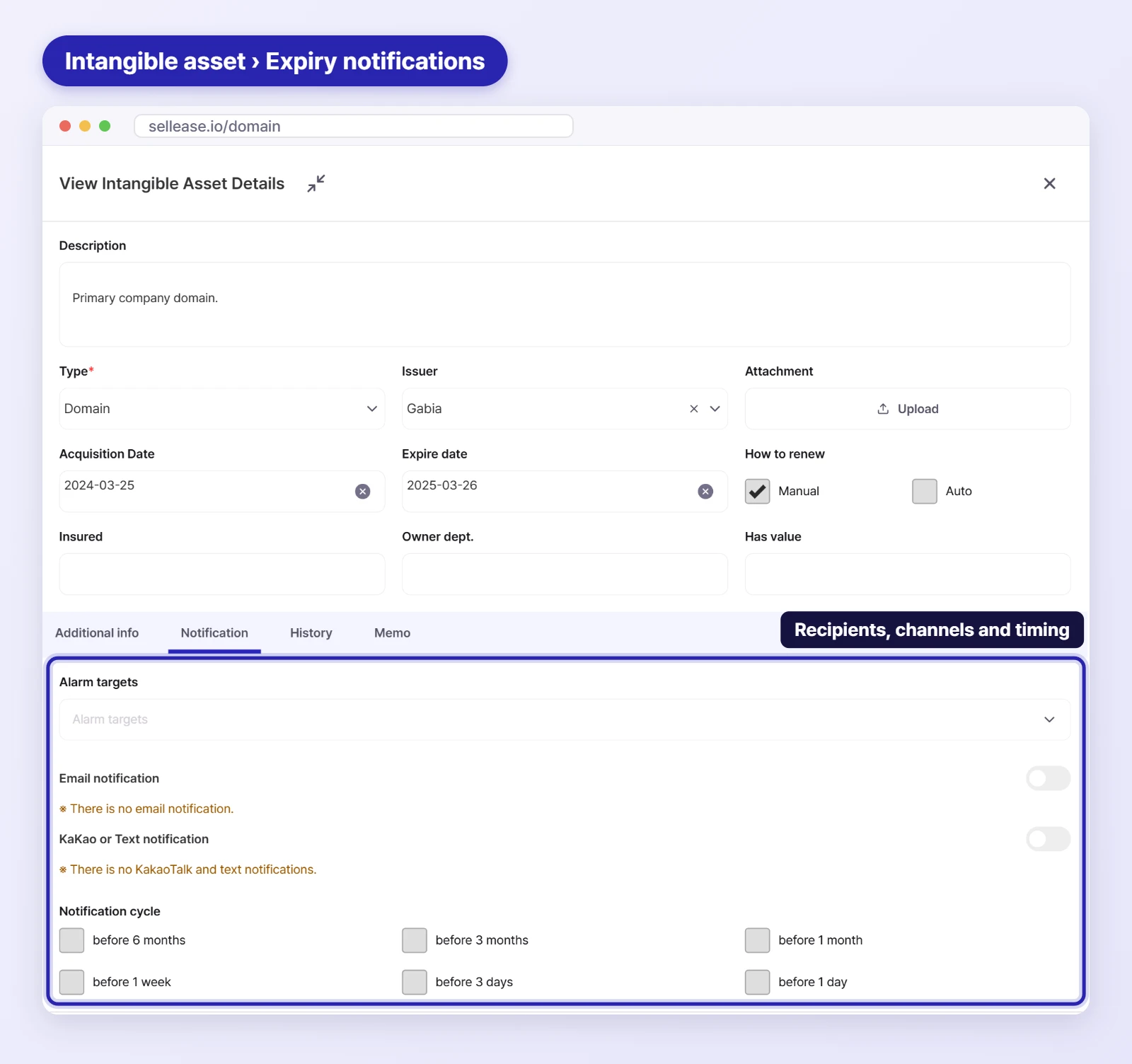
EAM aims to maintain general business assets (equipment, vehicles, buildings, etc.), maximize their availability, and extend their lifespan. For example, it focuses on monitoring the condition of factory machinery in real time or analyzing the operating efficiency of vehicles. 🚛🏗️ SELLEASE sends maintenance schedule notifications for physical assets and generates accounting reports based on depreciation data, efficiently supporting general asset management as well. 🔔💼
In short, ITAM serves the specialized needs of the IT department, while EAM addresses the broader needs of operations and accounting. If the two systems run independently, data duplication and inefficiency are very likely. ⚠️
The way IT assets are used changes quickly as technology evolves. For example, as companies move from traditional desktop environments to cloud-based SaaS, hardware demand may fall while software costs surge. ITAM is essential for tracking and optimizing these shifts. 🌐 SELLEASE uses its PC agent to automatically send alerts about key events such as software license expirations, helping companies maximize the value of their IT assets. 📊
General business assets, by contrast, are more about long-term use. Physical assets such as equipment, real estate, and vehicles tend to cost more to maintain and become less efficient over time. EAM therefore helps extend asset lifespan and keep assets in optimal condition. 🛠️✨ SELLEASE provides the asset audit capabilities needed to manage physical assets, so you can check asset condition regularly and improve operational efficiency. 🔍
Although IT assets and general assets are used differently, managing them together can dramatically improve asset efficiency across the entire organization. 🔑
With rapid advances in AI, IoT, and the cloud, IT assets have become more than tools—they're a core competitive advantage. For example, running AI models like ChatGPT requires high-performance GPUs and large-scale computing resources. Managing these IT assets efficiently is essential for companies that want to innovate with AI. 🏆
AI and graphics cards aren't just for R&D, either—they're used across many business functions, including data analytics, simulation, and predictive modeling. SELLEASE helps you manage these IT assets systematically and analyzes usage data to recommend the best way to use them. 📋💡
ITAM is becoming even more important with the growth of cloud services and AI, and solutions that manage it effectively are a key factor in determining a company's competitiveness.
ITAM and EAM each have their own strengths, but integrating them creates even greater synergy. For example, adopting an integrated asset management system offers the following benefits:
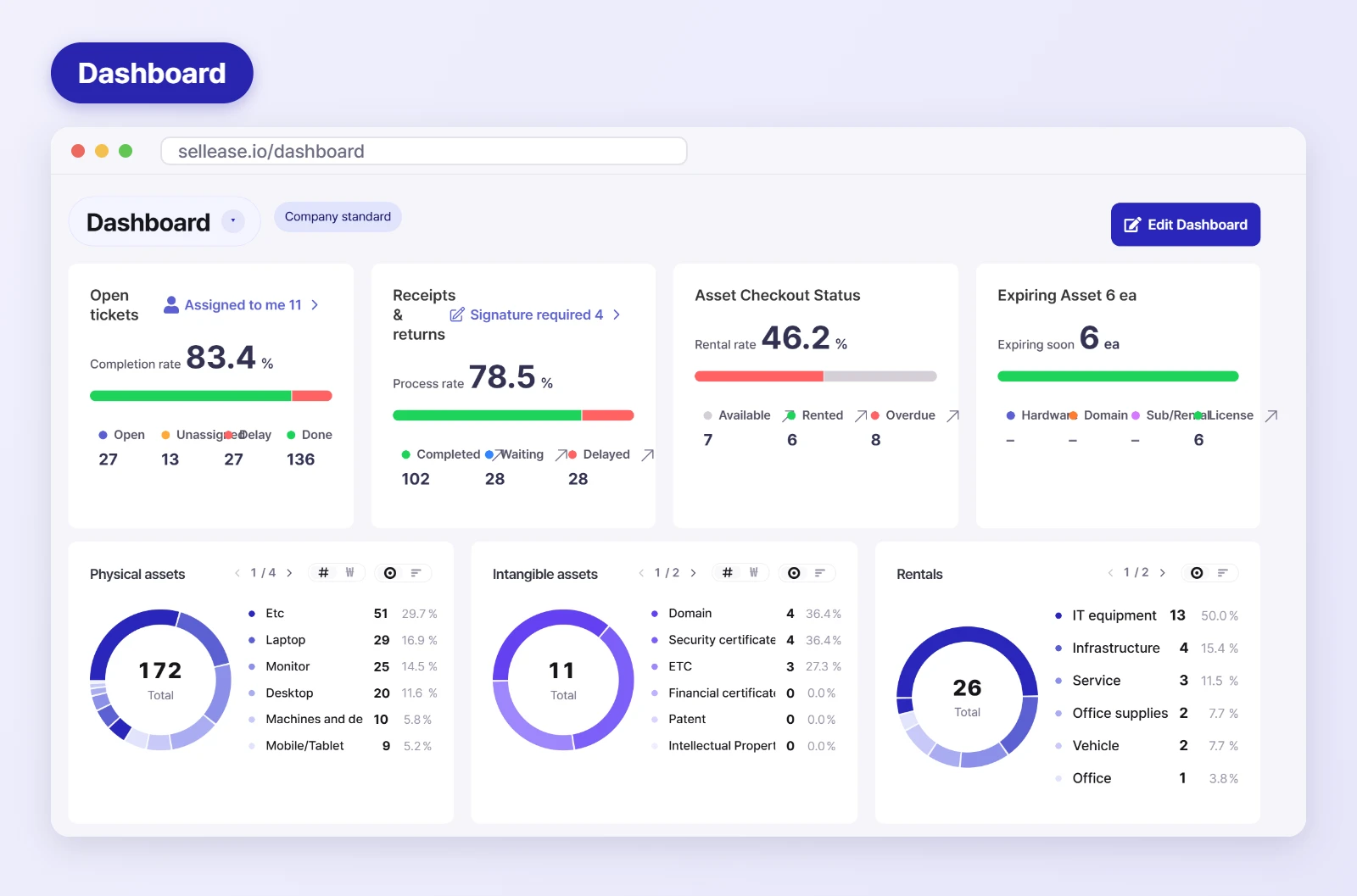
SELLEASE's integrated asset management solution is designed to meet exactly these needs. With advanced features such as automatic PC spec and software usage metering, notifications, and accounting report generation, it helps customers manage assets efficiently, reduce costs, and maximize operational efficiency. 💼✨

